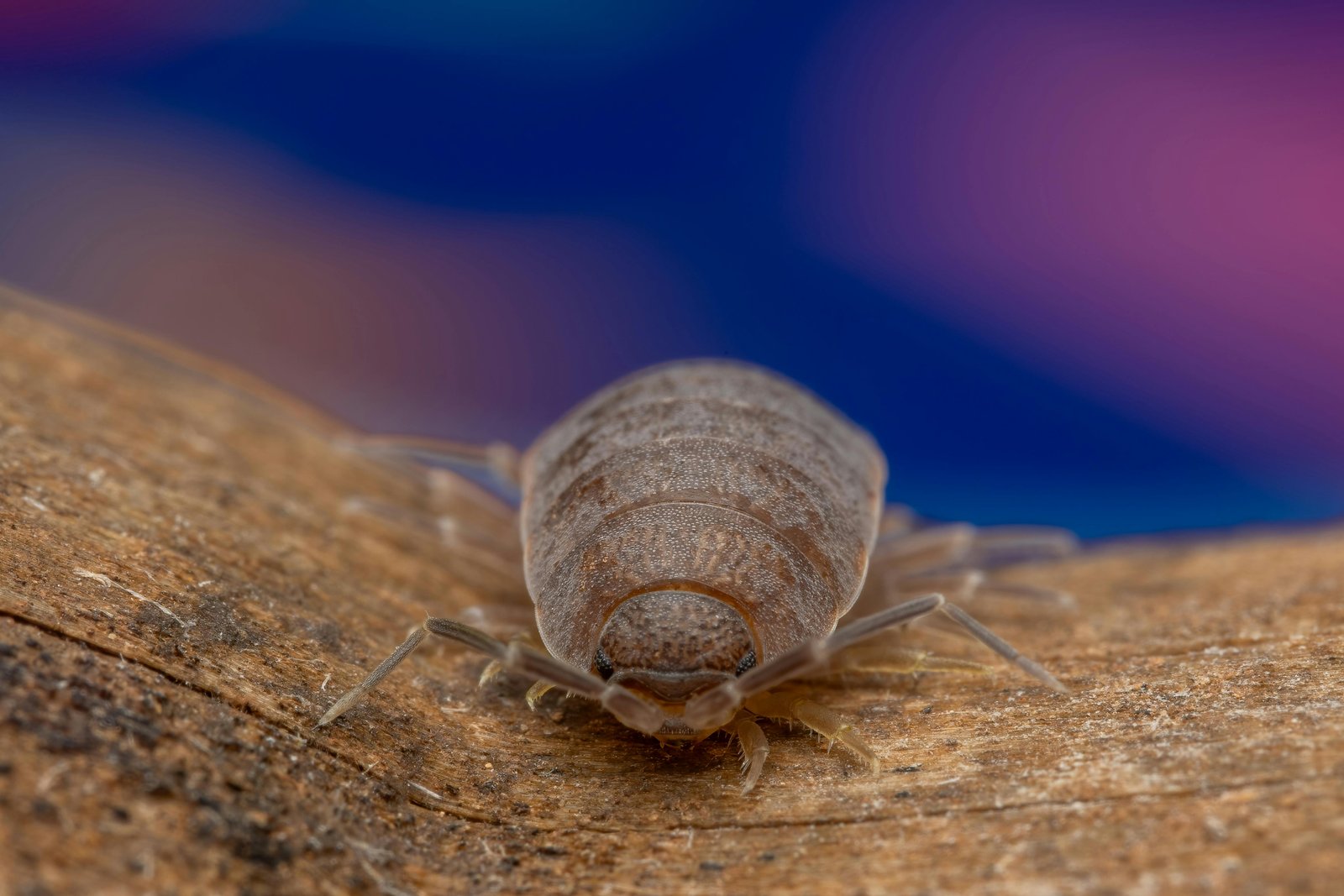
House dust mites (HDM) are the most common trigger of perennial allergic rhinitis worldwide, affecting an estimated 1-2% of the global population with clinically significant disease and sensitizing up to 85% of all asthmatic patients. Unlike seasonal pollen allergies, dust mite allergy is a year-round condition -- the allergens are always present in bedding, upholstered furniture, and carpeting. This permanence makes effective long-term treatment essential.
Sublingual immunotherapy for house dust mites has emerged as one of the most well-studied and promising treatments in allergy medicine, culminating in the FDA approval of ODACTRA in 2017. Here is what the evidence shows.
Understanding Dust Mite Allergens: Der p 1 and Der f 1
Two species of house dust mite dominate indoor environments worldwide: Dermatophagoides pteronyssinus and Dermatophagoides farinae. Each produces distinct major allergens that drive the allergic response:
- Der p 1: A cysteine protease enzyme found in dust mite fecal particles. Der p 1 is the most potent HDM allergen and has the unique ability to directly cleave tight junctions in airway epithelial cells, increasing allergen penetration and amplifying the inflammatory response.
- Der p 2: A lipid-binding protein that mimics the structure of MD-2, a component of the innate immune receptor TLR4, allowing it to directly activate inflammatory pathways independent of IgE.
- Der f 1: The D. farinae homologue of Der p 1, with significant cross-reactivity. Der f 1 is particularly prevalent in drier climates where D. farinae is the dominant species.
The dual-species nature of dust mite allergy is clinically important because effective immunotherapy must address both species. Most patients are co-sensitized to both D. pteronyssinus and D. farinae, and treatments containing extracts from both species provide broader coverage.
The ODACTRA Pivotal Trial
The FDA approval of ODACTRA (house dust mite sublingual tablet) was based on a series of rigorous clinical trials. The pivotal North American trial, published by Nolte et al., was a randomized, double-blind, placebo-controlled study involving 1,482 adolescents and adults with HDM-induced allergic rhinitis with or without conjunctivitis.1
Participants received daily sublingual tablets containing standardized extracts of both D. pteronyssinus and D. farinae (12 SQ-HDM) or placebo for approximately one year. The primary endpoint was the total combined rhinitis score (TCRS) during the last 8 weeks of the treatment period, assessed during an environmental exposure chamber challenge.
Key results:
- ODACTRA reduced the TCRS by 17% compared to placebo (p < 0.001), a statistically and clinically significant improvement
- Individual symptom scores (nasal congestion, rhinorrhea, nasal itching, sneezing) all improved significantly
- Rescue medication use was significantly lower in the active treatment group
- Benefits were observed as early as 8 weeks into treatment and were sustained throughout the trial
- Adverse events were predominantly local (oral pruritus, throat irritation, mouth edema) and generally mild
"House dust mite sublingual immunotherapy tablet demonstrated significant efficacy in reducing rhinitis symptoms in a large North American population, supporting its use as a disease-modifying treatment for HDM-allergic rhinitis." -- Nolte et al., Journal of Allergy and Clinical Immunology, 2016
European SLIT Trials: Confirming the Evidence
The European evidence for HDM SLIT is extensive and predates the U.S. approval by many years. Mosbech et al. conducted a landmark European randomized controlled trial evaluating the SQ HDM SLIT tablet in adults with moderate-to-severe HDM allergic rhinitis. The study randomized over 600 patients to receive daily sublingual tablets at three different doses or placebo.2
The Mosbech trial demonstrated:
- Dose-dependent efficacy, with the highest dose (12 SQ-HDM) showing the greatest symptom reduction
- A 22% reduction in average adjusted symptom score compared to placebo at the optimal dose
- Significant improvements in both rhinitis and conjunctivitis endpoints
- An excellent safety profile consistent with other SLIT formulations
A comprehensive meta-analysis by Calderon et al. pooled data from multiple HDM SLIT trials and confirmed the consistency of the evidence across populations, age groups, and study designs. The meta-analysis concluded that HDM SLIT produces significant and clinically relevant improvements in both symptoms and medication use, with high-quality evidence supporting its use in adults and moderate-quality evidence in children.3
Beyond Rhinitis: Dust Mite SLIT and Asthma Prevention
Perhaps the most exciting development in HDM immunotherapy research is its potential role in asthma management and prevention. Virchow et al. conducted a pivotal trial published in JAMA examining the effect of HDM SLIT on asthma exacerbations in adults with HDM-allergic asthma who were not well controlled on inhaled corticosteroids alone.4
The Virchow study enrolled 834 patients and followed them through a period of inhaled corticosteroid reduction to provoke exacerbations. The results were striking:
- HDM SLIT reduced the risk of a moderate-to-severe asthma exacerbation by 34% compared to placebo during the ICS reduction period
- The time to first asthma exacerbation was significantly prolonged in the active treatment group
- Patients on HDM SLIT maintained better asthma control scores throughout the study
- The treatment allowed patients to reduce their ICS dose while maintaining asthma control
"Sublingual immunotherapy with house dust mite allergen extract significantly reduced the risk of moderate-to-severe asthma exacerbations during a period of inhaled corticosteroid reduction, representing a meaningful advance in asthma management." -- Virchow et al., JAMA, 2016
This finding is particularly significant because it positions HDM SLIT not just as a rhinitis treatment, but as a disease-modifying intervention that could reduce the burden of allergic asthma -- a far more serious and costly condition.
Practical Considerations for Dust Mite SLIT
For patients considering sublingual immunotherapy for dust mite allergy, several practical points emerge from the clinical evidence:
- Timing: Unlike pollen SLIT, dust mite SLIT can be started at any time of year since HDM exposure is perennial. There is no pre-seasonal consideration.
- Duration: Clinical trials have typically evaluated 1-3 years of continuous treatment. As with pollen SLIT, a minimum of 3 years is recommended for disease-modifying effects.
- Concurrent environmental control: SLIT works best in combination with allergen avoidance measures -- encasing mattresses and pillows, washing bedding in hot water weekly, maintaining low indoor humidity, and removing carpeting where feasible.
- Combination with other treatments: HDM SLIT can be used alongside antihistamines, nasal corticosteroids, and other standard allergy medications. The goal over time is to reduce reliance on these rescue medications.
- At-home administration: After the first dose is administered under medical supervision, all subsequent doses are self-administered at home, making HDM SLIT far more practical than the alternative of weekly-to-monthly allergy shots.
OLLEREG's Indoor Allergen Spray is an at-home allergy immunotherapy spray that delivers standardized dust mite extracts through Oromucosal Immunotherapy (OMIT) — reaching the same sublingual cells SLIT drops target, plus four more oral regions, in two quick sprays. For the millions of patients with year-round dust mite symptoms, OLLEREG offers a path to genuine, lasting relief.
Start Your Allergy Relief Journey
Science-backed Oromucosal Immunotherapy (OMIT) delivered to your door. Choose your spray and start building tolerance today. See the full science →
Shop SpraysReferences
- Nolte H, Bernstein DI, Nelson HS, et al. Efficacy of house dust mite sublingual immunotherapy tablet in North American adolescents and adults in a randomized, placebo-controlled trial. Journal of Allergy and Clinical Immunology. 2016;138(6):1631-1638. doi:10.1016/j.jaci.2016.06.044
- Mosbech H, Deckelmann R, de Blay F, et al. Standardized quality (SQ) house dust mite sublingual immunotherapy tablet (ALK) reduces inhaled corticosteroid use while maintaining asthma control: a randomized, double-blind, placebo-controlled trial. Journal of Allergy and Clinical Immunology. 2014;134(3):568-575.e7. doi:10.1016/j.jaci.2014.03.019
- Calderon MA, Casale TB, Nelson HS, Demoly P. An evidence-based analysis of house dust mite allergen immunotherapy: a call for more rigorous clinical studies. Journal of Allergy and Clinical Immunology. 2013;132(6):1322-1336. doi:10.1016/j.jaci.2013.09.004
- Virchow JC, Backer V, Kuna P, et al. Efficacy of a house dust mite sublingual allergen immunotherapy tablet in adults with allergic asthma: a randomized clinical trial. JAMA. 2016;315(16):1715-1725. doi:10.1001/jama.2016.3964
- Thomas WR, Smith WA, Hales BJ. The allergenic specificities of the house dust mite. Chang Gung Medical Journal. 2004;27(8):563-569.
- Calderon MA, Linneberg A, Kleine-Tebbe J, De Blay F, Hernandez Fernandez de Rojas D, Virchow JC, Demoly P. Respiratory allergy caused by house dust mites: what do we really know? Journal of Allergy and Clinical Immunology. 2015;136(1):38-48. doi:10.1016/j.jaci.2014.10.012